
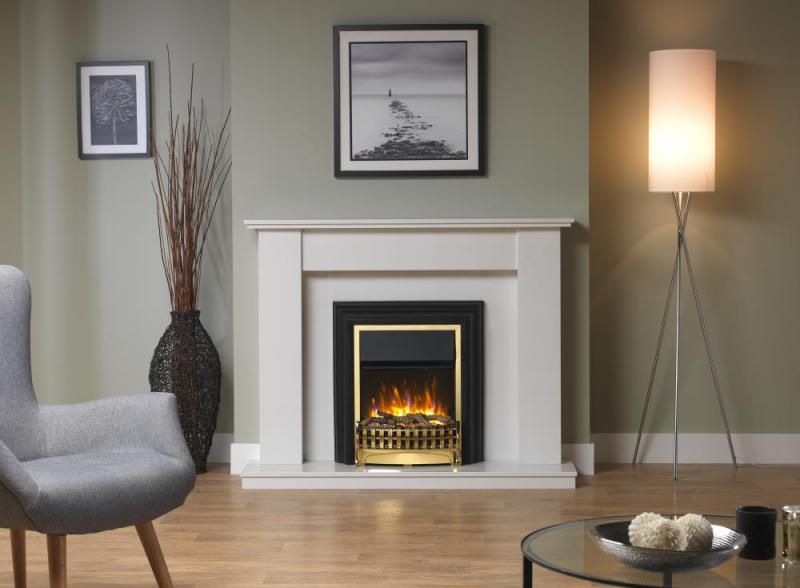
For decades, the open fire has been the symbol of a “proper” home. Crackling logs, glowing embers, that unmistakable smell—it’s hard to compete with the romance of it all.
But here’s the question more homeowners are quietly starting to ask:
Are open fires actually the best choice anymore—or just the most nostalgic one?
With modern alternatives like gas and electric fires becoming more advanced (and more popular), it’s worth taking a step back and looking at the reality—not just the image.
Let’s break it down honestly.
The Emotional Pull of an Open Fire
There’s no denying it: open fires feel special.
They connect us to something primal. Fire has always been at the centre of human gathering—warmth, light, comfort. Even today, sitting in front of a real flame can instantly make a room feel calmer and more inviting.
That’s something no spec sheet can measure.
But emotion doesn’t always equal practicality.
The Reality of Open Fires
When you look beyond the atmosphere, open fires come with trade-offs that many homeowners don’t fully consider until after installation.
1. Efficiency (or Lack of It)
Open fires are surprisingly inefficient. In fact, a large portion of the heat they produce goes straight up the chimney rather than into your room.
In some cases, they can even pull warm air out of your home, making the rest of the house colder.
So while they look warm, they’re not always doing the job you think they are.
2. Maintenance & Effort
An open fire isn’t something you just switch on and forget.
You’ll need to:
* Store and carry logs
* Clean out ash regularly
* Maintain the chimney
* Deal with soot and residue
For some people, this ritual is part of the charm. For others, it quickly becomes a chore.
3. Cleanliness
Even the most well-maintained open fire produces:
* Smoke
* Dust
* Ash particles
Over time, this can affect air quality and leave marks around the fireplace area.
It’s not always the cosy, Instagram-perfect experience you might imagine.
Wood-Burning Stoves: The Middle Ground
Wood-burning stoves are often seen as the modern evolution of the open fire—and for good reason.
They retain much of the charm but solve some of the biggest issues.
What They Do Better
* Higher efficiency: More heat stays in your room
* Controlled burning: Adjustable airflow means better performance
* Cleaner operation: Less smoke escaping into your space
You still get real flames, real logs, and that comforting crackle—but with more control.
The Trade-Offs
They’re not completely maintenance-free.
You’ll still need:
* A steady supply of wood
* Regular cleaning
* Proper installation and ventilation
And while they’re more efficient than open fires, they still require effort to run.
Gas Fires: Convenience Meets Real Flame
Gas fires sit in an interesting position—they offer real flames, but without the hassle of solid fuel.
Why People Choose Gas Stoves
* Instant heat at the push of a button
* Consistent, controllable temperature
* Minimal cleaning compared to wood or open fires
You get a real flame effect, but without carrying logs or cleaning ash.
Where Gas Falls Short
For some, gas fires don’t quite replicate the full sensory experience of a wood fire:
* No crackling sound
* No wood aroma
* Slightly more “controlled” feel
There’s also the requirement for a gas connection, which isn’t always practical in every home.
Electric Fires: The Modern Contender
This is where opinions often divide.
Electric fires are sometimes dismissed as “not real enough”—but that perception is changing quickly.
What Electric Fires Do Exceptionally Well
* No installation complexity (in many cases)
* No chimney or flue required
* Low maintenance
* Energy-efficient heating options
* Year-round use (flame without heat)
Modern electric fires have come a long way in terms of realism. Advanced flame technology, lighting effects, and design mean they can create a striking focal point in a room.
The Biggest Misconception
The idea that electric fires are “fake” is often based on outdated designs.
Today’s models are less about imitating traditional fires—and more about creating a new kind of atmosphere.
Think sleek media walls, ambient lighting, and clean, contemporary design.
So… Are Open Fires Overrated?
The honest answer?
It depends on what you value most.
Choose an Open Fire If You Want:
* A traditional, authentic experience
* The ritual of building and tending a fire
* A strong visual and emotional connection to real flames
Choose a Wood-Burning Stove If You Want:
* Real fire with better efficiency
* A balance between tradition and performance
* More control over heat output
Choose a Gas Fire If You Want:
* Real flames with convenience
* Reliable, controllable heating
* Minimal day-to-day effort
Choose an Electric Fire If You Want:
* Simplicity and flexibility
* Modern design options
* A low-maintenance, lifestyle-friendly solution
The Bigger Shift Happening in Homes
What’s interesting is that this isn’t just about heating anymore.
More homeowners are designing their living spaces around:
* Atmosphere
* Lighting
* How a room feels in the evening
In that sense, the fireplace—whatever type it is—is becoming less about necessity and more about **experience**.
And that’s where newer options, particularly electric and gas, are gaining ground.
Final Thoughts
Open fires aren’t necessarily overrated—but they are often idealised.
They represent something powerful: comfort, tradition, connection. But in modern homes, practicality matters just as much as feeling.
The best choice isn’t the most traditional one.
It’s the one that fits how you actually live.
Because at the end of the day, the goal isn’t just to heat a room.
It’s to create a space you genuinely want to spend time in.